Exotic Vets Perspective: Interpreting X-rays and ECGs in Rabbits with Cardiomegaly (Enlarged Heart)
6000 Views |

Exotic Vet’s Perspective: Interpreting X-rays and ECGs in Rabbits with Cardiomegaly (Enlarged Heart)
In rabbits, heart disease—specifically cardiomegaly or an enlarged heart—can be challenging to diagnose because they are prey animals that naturally hide their symptoms until the condition is severe. Veterinarians specializing in exotic pets use two primary diagnostic tools to evaluate heart health: Radiography (X-rays) and Electrocardiography (ECG).
1. Radiography (X-ray Interpretation)
X-rays are the first line of defense in identifying an enlarged heart. Vets look for several key indicators:
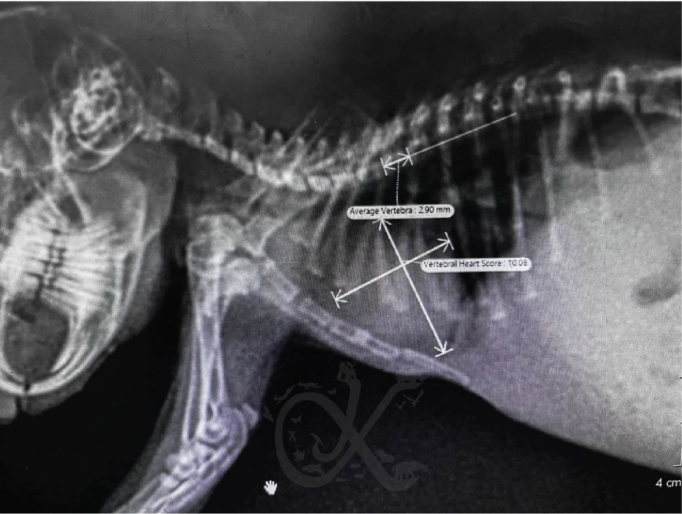
Vertebral Heart Score (VHS): This is a standardized measurement where the length and width of the heart are compared against the length of the rabbit’s thoracic vertebrae (spine). If the heart exceeds a certain number of vertebral units, it indicates cardiomegaly.
Tracheal Elevation: An enlarged heart often pushes the trachea (windpipe) upward toward the spine, which is visible on a lateral (side view) X-ray.
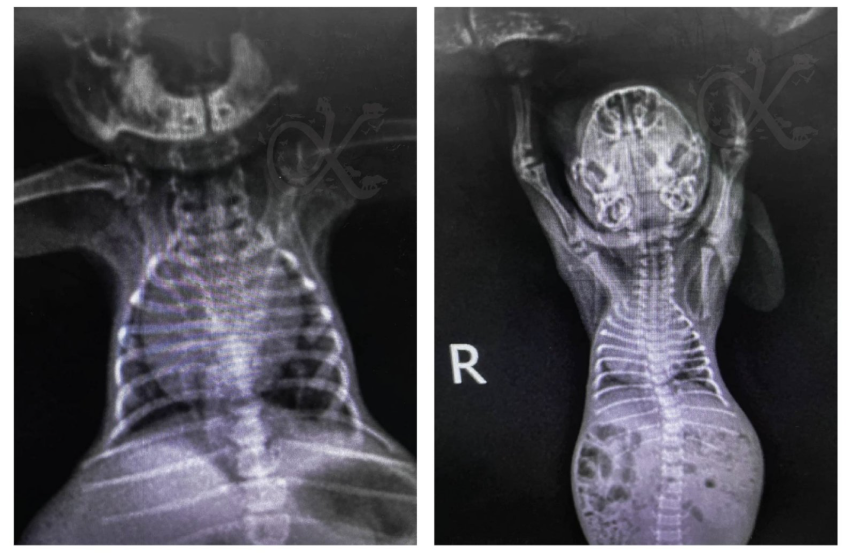
Lung Congestion: The X-ray can also show if the heart enlargement is causing fluid buildup in the lungs (pulmonary edema) or pleural effusion, which are signs of congestive heart failure.
Cardiac Silhouette: Vets assess the overall shape and size of the heart "shadow" to see if specific chambers (like the left atrium) are bulging.
2. Electrocardiography (ECG)
While X-rays show the size of the heart, an ECG measures its electrical activity. This is crucial for:
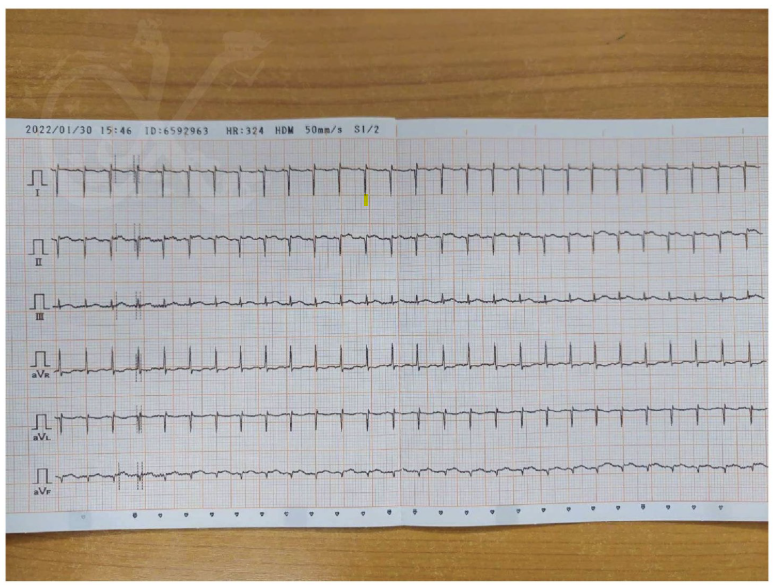
Detecting Arrhythmias: Identifying irregular heartbeats or abnormal rhythms that cannot be seen on an X-ray.
Heart Rate Monitoring: Rabbits have very high heart rates, but an ECG helps identify if the rate is pathologically fast (tachycardia) or slow (bradycardia) due to heart muscle dysfunction.
Identifying Chamber Enlargement: Specific patterns in the ECG waves (P, QRS, and T waves) can suggest which part of the heart muscle is working too hard or has become thickened.
Conclusion
Diagnosing heart issues in rabbits requires a combination of these technologies. X-rays provide a "snapshot" of the heart's physical size and its impact on the lungs, while ECG provides a "live" look at the electrical health of the heart. Early detection through these methods is vital for managing heart disease and improving the quality of life for pet rabbits.