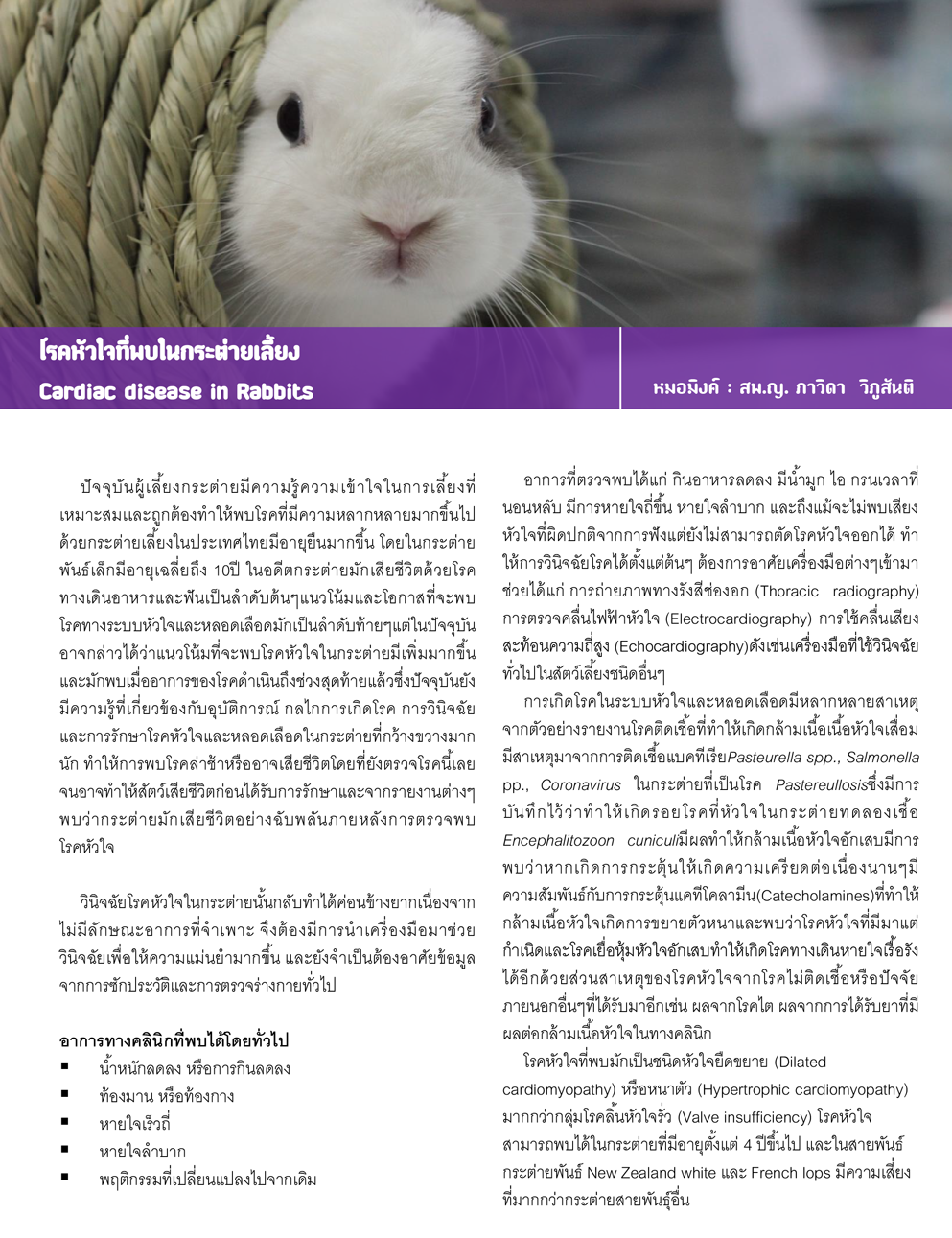
Cardiac Disease in Rabbits
7873 Views |

Cardiac Disease in Rabbits
By Dr. Mink: Pawida Vipusanti, DVM
Heart disease is a condition that can be found in pet rabbits, though it may not be as commonly discussed as in dogs or cats. Because rabbits are prey animals, they tend to hide their clinical signs until the condition is quite advanced.
Common Heart Diseases in Rabbits
Dilated Cardiomyopathy (DCM): The heart muscle becomes thin and weak, causing the heart chambers to enlarge and lose their ability to pump blood effectively.
Hypertrophic Cardiomyopathy (HCM): The heart muscle becomes abnormally thick, making it difficult for the heart to fill with and pump blood.
Valvular Disease: Degeneration of the heart valves (most commonly the mitral or tricuspid valves), leading to blood backflow (regurgitation).
Congenital Heart Defects: Heart abnormalities present from birth, such as Ventricular Septal Defect (VSD).
Clinical Signs to Watch For
Rabbits with heart disease may exhibit the following symptoms:
Lethargy: Being less active or moving less than usual.
Increased Respiratory Effort: Fast breathing, breathing with an open mouth, or using abdominal muscles to help breathe.
Exercise Intolerance: Tiring easily after minimal movement.
Anorexia: Decreased appetite or complete refusal to eat.
Weight Loss: Chronic weight loss due to the body working harder to maintain circulation.
Cyanosis: Bluish or pale tint to the nose, tongue, or gums due to lack of oxygen.
Distended Abdomen: In cases of congestive heart failure, fluid may build up in the abdomen (ascites) or chest (pleural effusion).
Diagnosis
Veterinarians typically use several methods to diagnose heart conditions in rabbits:
Physical Examination: Listening for heart murmurs or abnormal lung sounds (crackles) using a stethoscope.
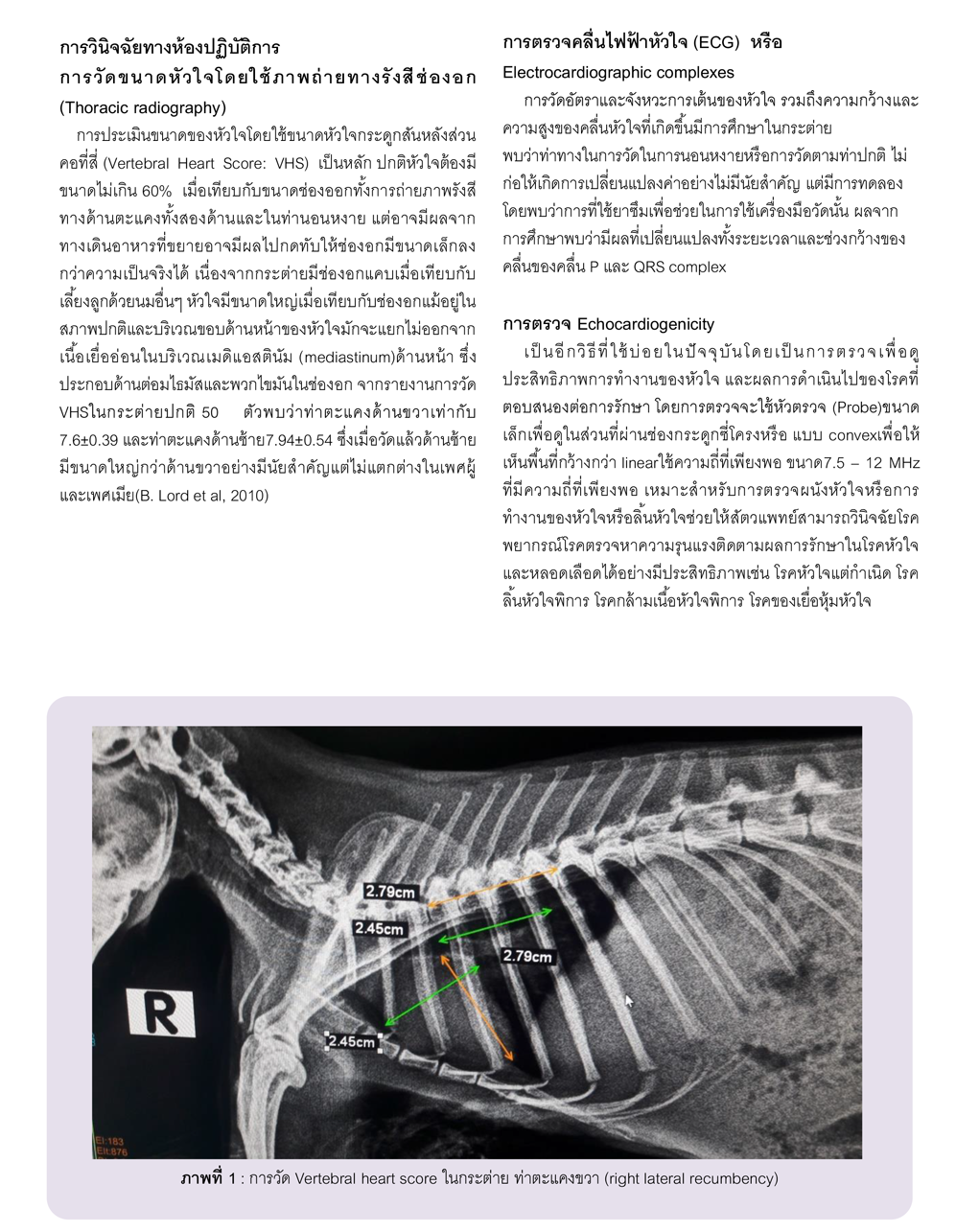
X-rays (Radiography): To check the size and shape of the heart and look for fluid accumulation in the lungs or chest cavity.
Echocardiography (Ultrasound): The most definitive tool to visualize the heart's structure, muscle thickness, and valve function in real-time.
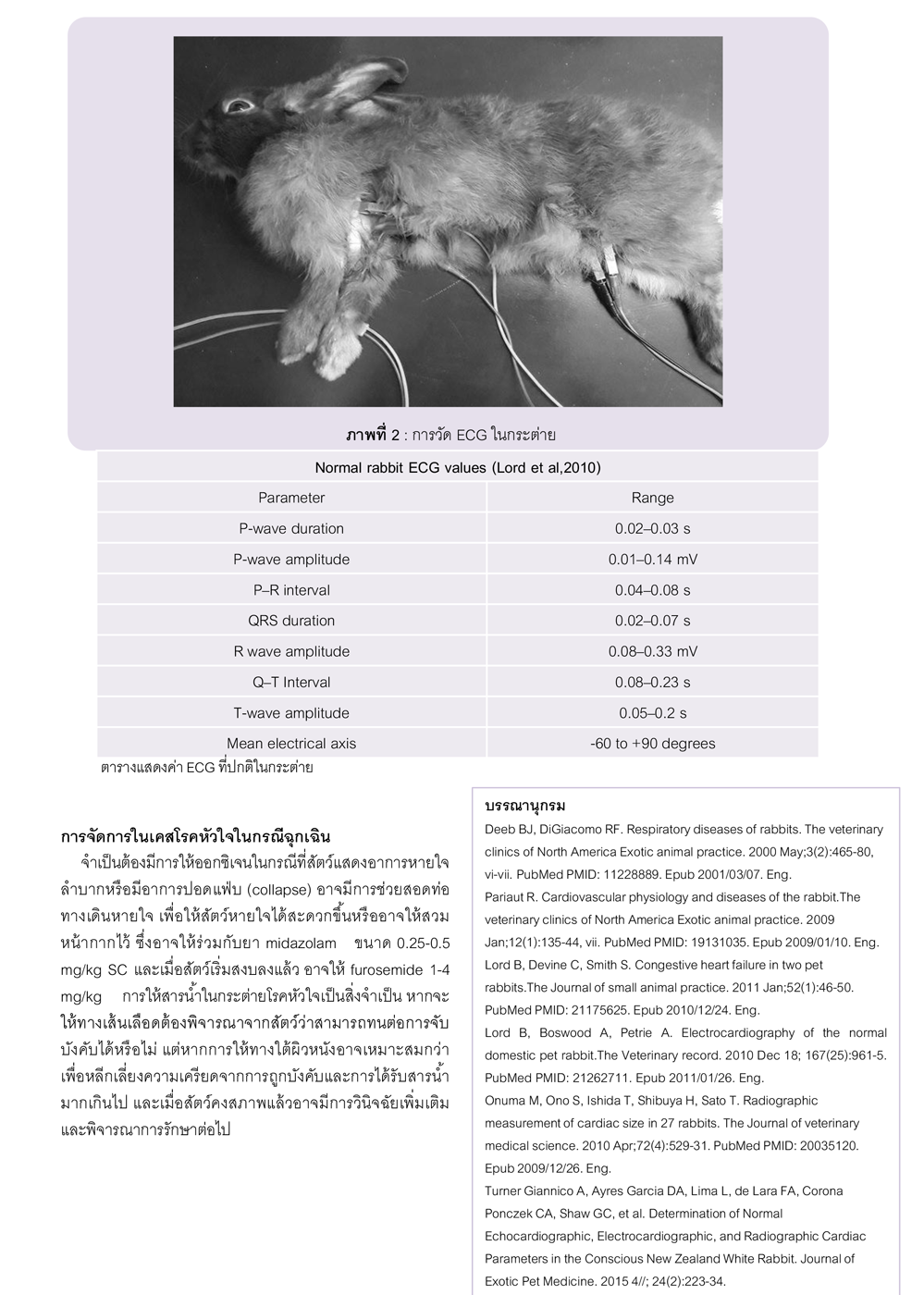
Electrocardiogram (ECG): To detect abnormal heart rhythms (arrhythmias).
Treatment and Care
While most heart diseases in rabbits are chronic and cannot be fully cured, they can be managed to improve the rabbit's quality of life:
Medication: Diuretics (to remove excess fluid), ACE inhibitors, or drugs to improve heart muscle contractility.
Stress Reduction: Keeping the rabbit in a calm, quiet environment is crucial, as stress can worsen heart failure.
Oxygen Therapy: In acute cases where the rabbit has severe breathing difficulties.
Regular Monitoring: Frequent follow-ups with a veterinarian to adjust medication dosages.
Recommendation: If you notice your rabbit breathing faster than usual or becoming unusually quiet, please consult an exotic pet veterinarian immediately for a thorough cardiovascular check-up.
โรคหัวใจที่พบในกระต่ายเลี้ยง
Cardiac disease in Rabbits
หมอมิงค์: สพ.ญ. ภาวิดา วิภูสันติ