Bird Keeping: Where Does Vitamin A Come From?
3185 Views |
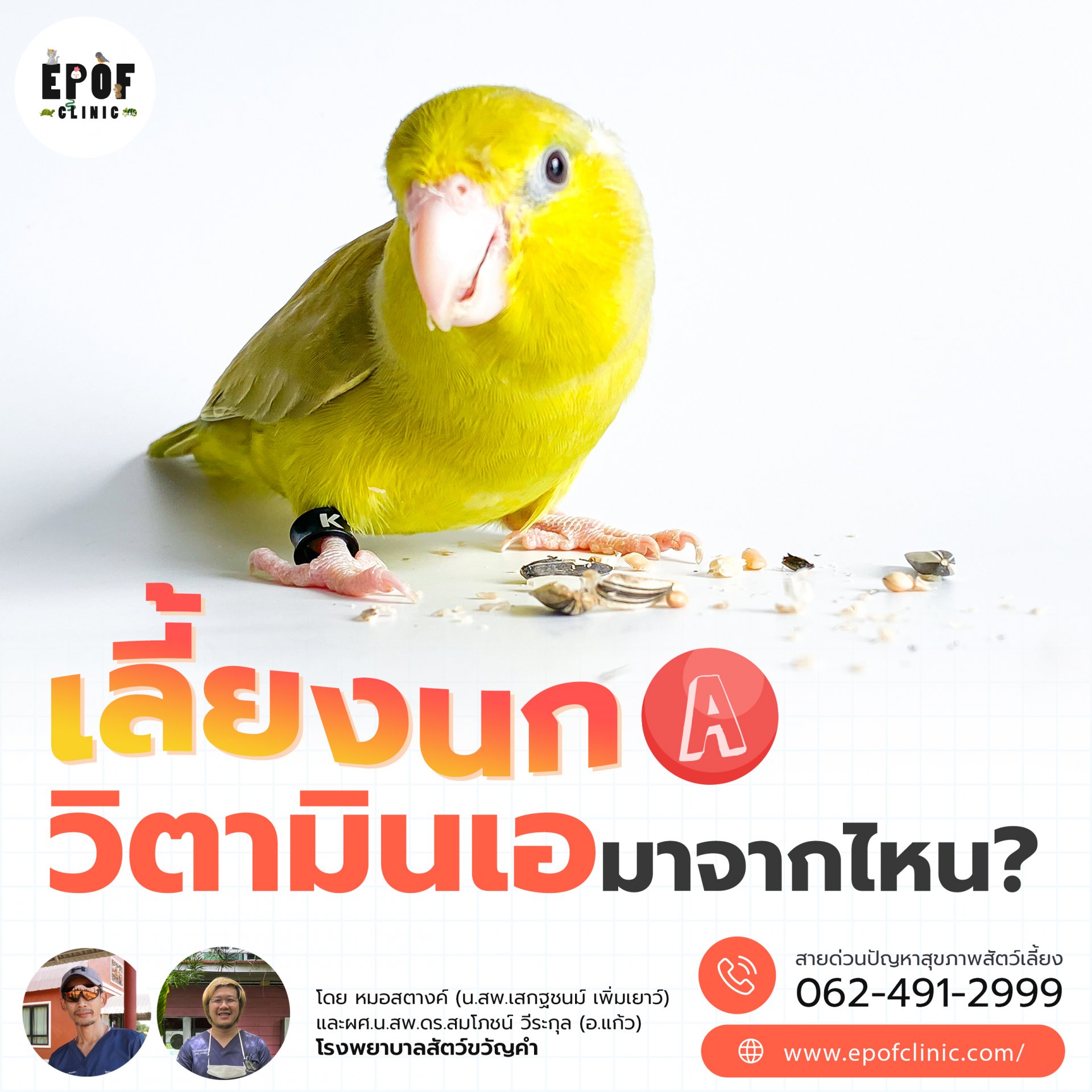
Bird Keeping: Where Does Vitamin A Come From?
We often hear that birds suffering from Vitamin A deficiency develop a condition called “hypovitaminosis A.” This leads to numerous health issues, such as immune system failure, abnormal cell production, and disorders of the skin and mucous membranes (which may thicken, peel, or produce dandruff). Other symptoms include inflammation of the oral cavity, sinuses, trachea, and lungs, as well as stunted growth, bone deformities, and reproductive failure.
Where do birds get their Vitamin A?
Birds of prey are fortunate to obtain Vitamin A directly from their prey, specifically from the liver. Insectivorous birds get it from adult insects, earthworms, and certain types of larvae. However, most common feeder worms are high in energy but nutritionally deficient, so keepers must be cautious.
Grain-eating birds (granivores) are the most at risk because seeds are naturally low in Vitamin A. While the vitamin is abundant in green leafy vegetables and red, yellow, or orange fruits, many pet birds refuse these foods if they have been raised on an exclusive seed diet since they were young. Because of this, formulated pelleted diets—which are nutritionally complete—have become highly popular in Europe and America. It is strongly recommended to start birds on pellets from a young age to prevent deficiencies in Vitamin A and other essential minerals.
Managing a Seed-Based Diet
If your bird currently eats only seeds and you are worried about deficiencies, you can balance the diet by mixing a variety of fruits and vegetables (5 parts) with seeds (2–5 parts), depending on the bird’s eating habits. This helps reduce seed dependency.
However, remember that seeds are a primary energy source. You should regularly assess your bird’s Body Condition Score by feeling the breast muscles:
The bird should not be so thin that the keel bone is sharp and prominent.
The bird should not be so overweight that the keel bone cannot be felt at all.
Additionally, evaluate the skin, beak, and plumage. Vibrant feathers often indicate adequate protein levels. You may need to adjust the seed variety or increase protein sources while monitoring the bird's daily activity levels.
The Role of Pelleted Diets
In Western countries, great emphasis is placed on using pelleted food rather than individual supplements (like liquid or powdered Calcium, Vitamin A, E, D, C, or B). Pellets allow for precise nutritional scaling based on the bird's health and serve as an excellent energy source. Ideally, pellets should make up 5 parts or more of the diet. Choosing a high-quality pellet is crucial because they provide not only vitamins and minerals but also essential amino acids and medium-chain fatty acids, making them superior to seeds. Remember, captive birds cannot forage for variety as they do in the wild; this is why nutritional deficiency is the most common problem in pet birds.
Safety and Beta-Carotene
One must be extremely careful with oral or injectable Vitamin A supplements, as an overdose can lead to Vitamin A toxicity. While veterinarians are trained to calculate these doses safely, owners who supplement without professional guidance run a high risk.
To mitigate this, some pelleted diets may contain conservative levels of Vitamin A. A safer alternative is using Beta-carotene, a precursor to Vitamin A. It is considered safe because the body only converts what it needs; any excess is excreted through urine rather than building up to toxic levels in the body. Furthermore, Beta-carotene can be converted into other beneficial substances like Astaxanthin (a powerful antioxidant) and Retinol (essential for vision).
These nutrients are easy to find in recovery and booster supplements. For instance, various Randolph Birdnergy formulas consistently include Beta-carotene to ensure safe and effective nutritional support.


