The Outbreak of "Ha" Disease (Fowl Cholera)
25673 Views |

The Outbreak of "Ha" Disease (Fowl Cholera)
By Asst. Prof. Dr. Sompoth Weerakul, DVM (Mor Kaew) Copyright of the Exotic Pet Clinical Journal, Kwun Kham Animal Hospital
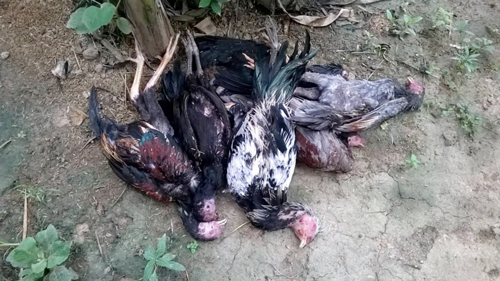
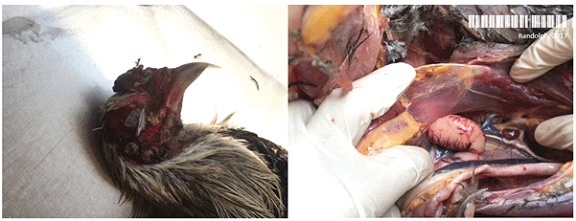
By now, you likely have heard the news regarding the Fowl Cholera outbreak in Khon Kaen province. I know many fighting cock breeders, both amateurs and professionals, and have had the opportunity to discuss this issue with them. Some mentioned that their hens seemed perfectly healthy yesterday, yet by the following morning, they were found with facial swelling, cyanosis (darkened skin, as shown in the image), and thick, mucus-like saliva, leading to immediate death.
Subsequently, birds of all ages began to die, with mortality rates so high the entire coop was nearly wiped out. This rapid and massive die-off—characteristic of many farms—justifies its traditional Thai name, "Rok Ha" (a term historically used for devastating plagues).
What is Cholera?
Fowl Cholera is caused by a pathogen we are quite familiar with: Pasteurella multocida. In Thailand, the common serotypes affecting poultry are A:1, A:3, and A:4. Outbreaks typically peak during the summer or during seasonal transitions. If you observe closely, we encounter this every year.
It is highly contagious. It can be transmitted by humans, various animals, carcasses (especially poultry carcasses), and shared equipment. The bacteria can even accumulate in the soil. Infection occurs through ingestion and inhalation.
Clinical Signs and Progression
By nature, these bacteria target every organ in the body. However, in the early stages, the respiratory system is the primary target. Symptoms often include:
Difficulty breathing or open-beak breathing.
Facial swelling; upon opening the beak, the palate appears swollen with thick, viscous saliva.
Hoarseness or loss of voice.
Lethargy, drooping heads, and some birds attempting to shake their heads.
As blood circulation and oxygen delivery to tissues decrease, the face and comb fade from pale to a dark purple hue. In cases of rapid, severe pneumonia, clinical signs may not even be obvious before death. You may notice the tail "flicking" or pumping due to inflammation of the lungs and air sacs, accompanied by abnormal amounts of phlegm. Most birds become weak and feel hot to the touch (fever).
Later, symptoms in other systems become more apparent, including the digestive tract, liver, and kidneys. This includes diarrhea (yellow or green due to liver dysfunction) and excessive urate staining due to kidney issues. Because the bacteria attack all organs, symptoms can manifest across all body systems, though animals often perish before these become distinct. In survivors that develop chronic infections, swelling may occur in various locations, such as inflamed eyelids, facial swelling, and swollen muscles or joints, with pus distributed throughout various organs.
Why Fighting Cocks and Indigenous Chickens? Why not Commercial Farms?
I have encountered "Ha" outbreaks among wild junglefowl in forest temples during this season as well. Fighting cocks, in particular, are affected every year. The primary risk factor is the lack of vaccination.
This is the main difference compared to commercial poultry farms, which follow strict and intensive vaccination programs, maintain high sanitation standards, and control bird density. In contrast, local backyard breeders often keep as many birds as they wish. Fighting cock breeders, specifically, aim for high production and frequently host visitors who may unknowingly carry pathogens. There is often a lack of proper disinfection systems.
Furthermore, when unexplained deaths occur, owners may ignore the issue or fail to dispose of carcasses properly, allowing them to become sources of infection. Contaminated food, water, and natural foraging without environmental control make these birds much more vulnerable than those on standard farms. It sounds complicated because we have traditionally raised fighting cocks simply—but what can be done?
The Solution: Vaccination
Poultry must receive the Fowl Cholera vaccine; this is the heart of the matter. For indigenous chickens, the program should start at 3 weeks of age, with a second dose at 5 weeks. After that, a 1 cc booster (Livestock Department standard) should be administered every 12 weeks.
Fighting cocks often miss their shots because owners are unaware of the schedule or forget the dates. While "broiler" chickens (raised for meat) have a short lifespan and don't require frequent boosters, fighting cock breeders must be diligent about re-vaccination to reduce disease risk.
Other Emerging Threats
In addition to Cholera, we must keep an eye on international outbreaks, such as Avian Influenza. For instance, China recently reported cases of the H7N9 strain. On March 10, 2017, the National Health and Family Planning Commission of China announced over a thousand human cases. We must remain vigilant.
The Role of Veterinarians
Veterinarians are increasingly focusing on this sector as more breeders seek professional advice. Many clinics now offer vaccinations, diagnostic services, and health consultations. This is a positive development. Fighting cocks are no different from high-value exotic birds; some are worth hundreds of thousands or even millions of baht. Traditional "trial and error" treatments are no longer sufficient for such "premium" assets. Providing the best care possible benefits the owners and, fortunately for the birds, elevates their standard of care to a much more appropriate level than in the past.