The Best Stage of Oat Hay for Rabbits and Small Herbivores
8270 Views |

The Best Stage of Oat Hay for Rabbits and Small Herbivores
By Arjarn Kaew (Asst. Prof. Dr. Somphoth Weerakul, DVM)
Oat hay is a popular choice for feeding rabbits, guinea pigs, and chinchillas. Let’s take a deeper look at its unique characteristics and why it matters.
Why Not Just Any "Rice" Plant?
Common cereal straws are often unsuitable as hay. When a plant passes its harvesting stage, it becomes "straw"—which is too mature and consists mostly of indigestible fibers like lignin and cellulose.
If fed these materials, rabbits will lack the fermentable (digestible) fiber needed for energy. This leads to weight loss, abnormally large and hard droppings, and potential digestive pH imbalances due to the high alkalinity of straw.
The Importance of Timing: The "Early Milk" Stage
To produce high-quality hay suitable for growing animals, the oat fields must be managed with precision. The nutritional value must be peak to support healthy development.
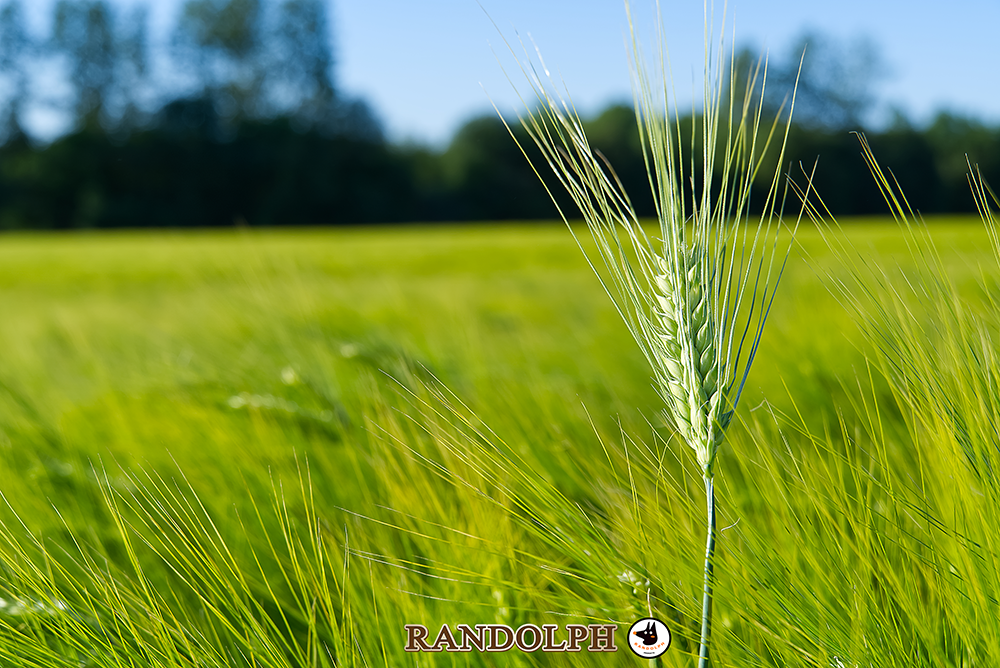
The Golden Window: The ideal time to harvest is during the onset of flowering and early grain formation, known as the Early Milk Stage.
The Test: If you squeeze the flower head, a milky substance (early starch) will emerge. This is sometimes called the Watery-Ripe Stage.
Precision: If harvested later than this, the nutritional value drops rapidly. In regions like Australia, growers often harvest just before the milk stage to ensure they don't miss this critical window.
How Oat Hay Differs from Other Grasses
Most grasses (like Timothy) are harvested during the mid-bud or vegetative stage (stems and leaves) before they flower. Oat hay is unique because it draws energy from the grain's "milk." However, if the plant is allowed to fully mature, the nutritional value of the stems and leaves declines significantly.
Key Benefits of Oat Hay
Energy & Growth: The energy provided by the milk stage makes it an excellent feed. It is often mixed with Alfalfa to boost protein levels for young animals or nursing mothers.
Superior Digestion: Oat hay contains higher levels of indigestible fiber than Timothy hay because it is harvested at a slightly later maturity stage. This stimulates the gut and results in larger, healthier droppings.
Dental Health: The mature husks are rich in silica, which acts as a natural abrasive to help wear down ever-growing teeth.
Vitamin A: Oat hay typically provides higher levels of Vitamin A compared to many other hays—a crucial nutrient as all herbivores are at risk of Vitamin A deficiency.
Palatability: When harvested at the early milk stage, the hay is exceptionally fragrant and flavorful, making it a favorite for picky eaters.
Why Australian Oat Hay?
Australia is world-renowned for its oat hay because of its strict adherence to harvesting at the precise nutritional peak. Japan is currently one of the largest importers of this high-quality Australian hay.
Veterinary Recommendation
Veterinarians often recommend oat hay for rabbits showing early signs of abnormal tooth wear. By encouraging proper chewing mechanics, it helps prevent malocclusion (overgrown teeth) from progressing into more severe conditions.
#RandolphAnimalHealthcare #ExoticVet #AustralianOatHay
#ExoticVet