Calcium Deficiency in Tortoises
14916 Views |
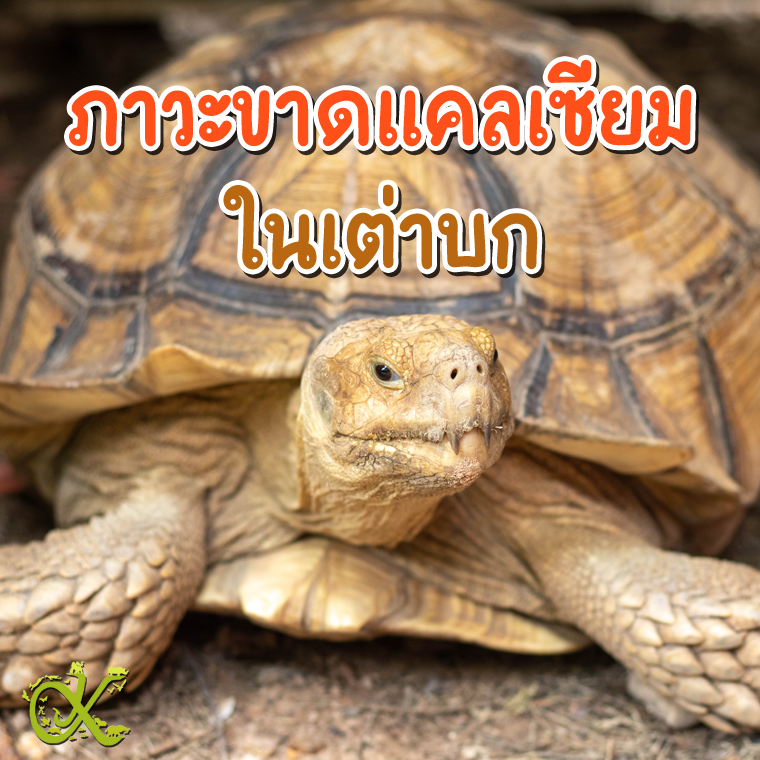
Calcium Deficiency in Tortoises
By Dr. Warut Wiboonkulpun (Dr. New)
Calcium deficiency is a common disease found in reptiles, particularly captive tortoises. It is most frequently observed in young tortoises and is typically caused by improper environmental management and nutrition.
Causes of Calcium Deficiency
There are several factors that can lead to calcium deficiency in tortoises:
Inadequate Dietary Calcium: Not providing enough calcium-rich food.
Lack of Ultraviolet Radiation: Insufficient exposure to UVB rays, which are essential for Vitamin D3 synthesis.
High Phosphorus Intake: Diets with an inverted calcium-to-phosphorus ratio.
Excessive Protein Intake: Leading to an abnormally rapid growth rate.
Suboptimal Temperatures: Environments that are too cold hinder proper digestion and nutrient absorption.
Clinical Signs
Common symptoms include a decrease in shell hardness, particularly in the plastron (the bottom shell), or visible shell deformities. In severe cases, deformities may occur in other skeletal structures, such as:
The jawbone.
Limb bones (appendicular skeleton).
General muscle weakness or "weak legs."
Diagnosis
Diagnosis is initially performed through a physical examination, where the veterinarian looks for shell softening or abnormalities.
Note: Age must be considered during examination. In hatchlings under 6 months old, the shell may naturally feel soft as mineralization is not yet complete; this should not be misdiagnosed as a clinical deficiency.
Radiography (X-ray) is necessary to evaluate the bone structure. Radiographic findings may include:
Osteopenia: A decrease in bone density in early stages.
Paper-like thin bones: Advanced thinning of the skeletal structure.
Deformities: Skeletal warping throughout the body.
Shell Pyramiding: Often associated with the edges of the carapace (upper shell) lifting or separating.
In terms of bloodwork (Hematology), abnormalities in ionized calcium levels are typically only detectable in severe cases.
Treatment and Prevention
Managing calcium deficiency focuses on correcting the tortoise's environment and diet:
Environmental Optimization: Ensuring appropriate temperature, humidity, and sunlight/UVB exposure specific to the species.
Dietary Management: Providing a balanced diet and proper nutrition.
Supplementation: * Calcium borogluconate (400 mg/kg): Can be mixed into food as a supplement.
Calcium gluconate (10–200 mg/kg): In severe cases or cases of hypocalcemia, this is administered via Intramuscular (IM) or Intravenous (IV) injection.


